
Embracing the rallying call of “Nothing About us, without us,” Action in Autism is putting neurodiversity at the heart of its mission. As part of its dedicated acceptance and action campaign, the organisation has curated a series of programs in Durban designed to champion the rights of autistic individuals and their families throughout World Autism Acceptance Month this April.
This activism and advocacy come to life through a selection of key initiatives:
Pizza and Paint and sensory sensational day – 18 April 2026
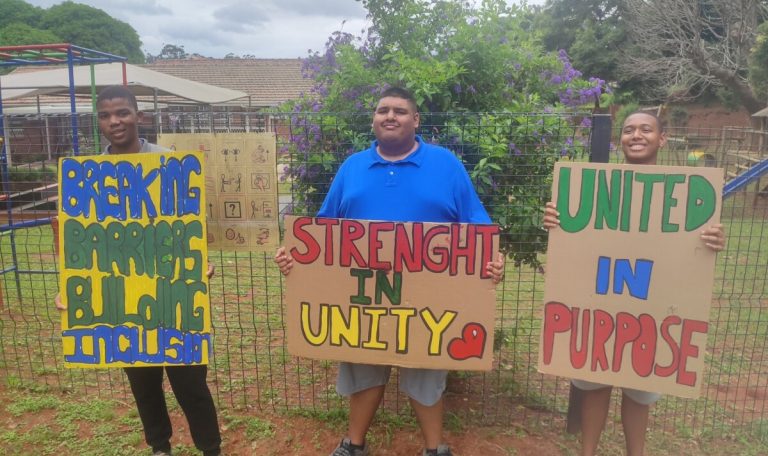
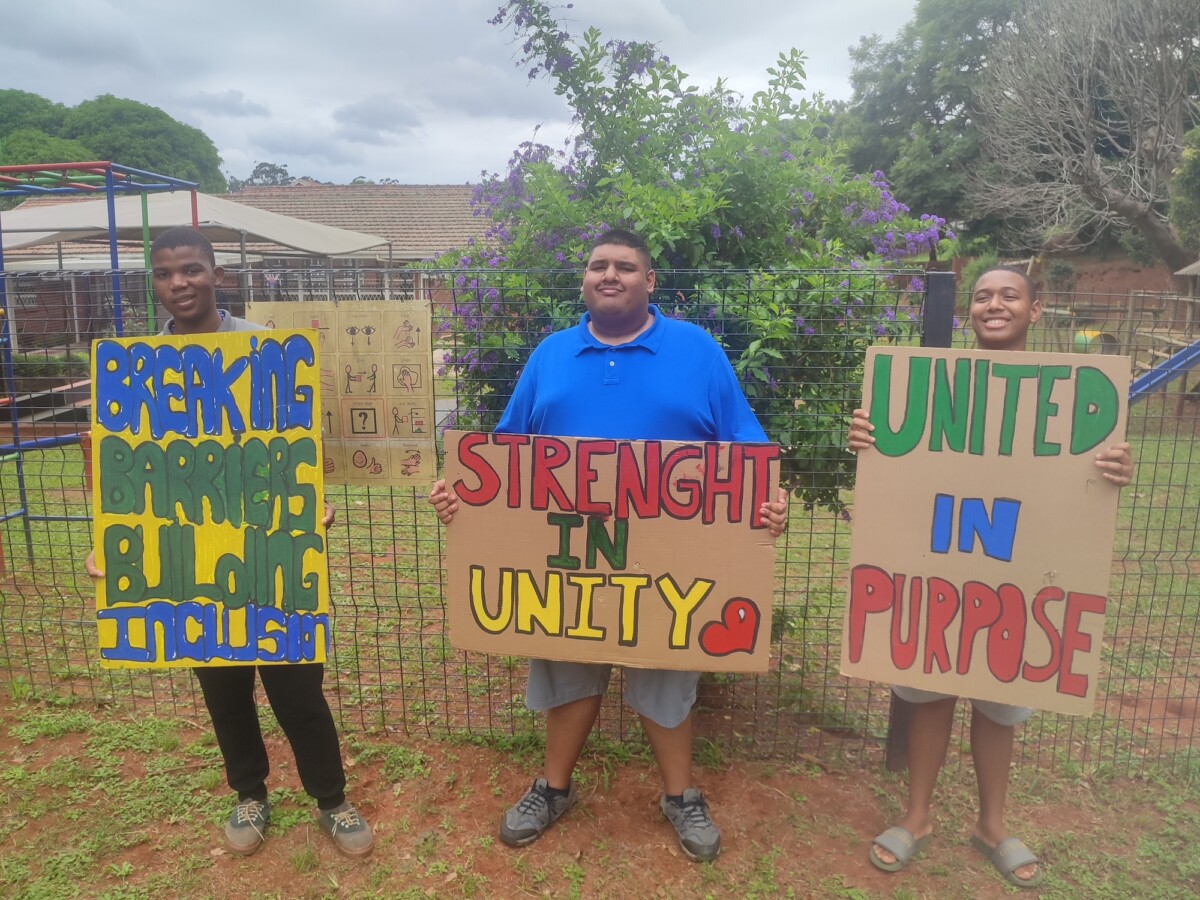
Members of the autism community are invited to attend a Pizza and Paint Day to prepare posters and banners for the silent walk on 23 April 2026. The community is invited to bring a pizza to share. At the same time, children and young adults with autism can enjoy a sensory celebration, with a foam pit, ball pond, trampoline, and oral, aural and visual sensory fun from 10h00 to 12h00 on 18 April 2026 at the Action in Autism Centre, 105 Haig Road, Parkhill. A guest speaker will address the gathering on the rights of autistic people to employment. The event is a free event for all in the autistic community.
Silent Walk – 23 April 2026
The public is invited to partner with Action in Autism on a Silent Walk on 23 April 2026, from 12h00 to 14h00, starting at Gugu Dlamini Park and ending at City Hall. “Approximately 50% of persons with autism are non-speaking, so during the walk, participants will communicate without spoken language, using alternative methods such as sign language, writing, gestures, and tapping, to show solidarity with those who are partial or non-speakers,” says AiA Director Diane Mariah-Singh. ‘This is a powerful, inclusive demonstration that provides support for our neurodiverse population. Action in Autism neurodivergent advocates and executive members, Yolanda Ziqubu and Prashant Parsunath, will hand over a memorandum of demands to the City Mayor.”
Empowerment and Capacity Building in Person and Online Workshops of Private and Public Enterprises
Throughout April 2026, Autism Advocates will be available to empower and capacitate companies on the importance of including autistic people in their workforce. This aligns with the organisation’s Skills Development and Business Hub, a three-year-established programme developed to capacitate autistic people with skills to enter the open labour market or set up their own micro businesses.
“There are too few autistics employed and the government is not meeting its target of 7% employment rate for persons with disabilities,” explains Mariah-Singh. “This needs to change.”