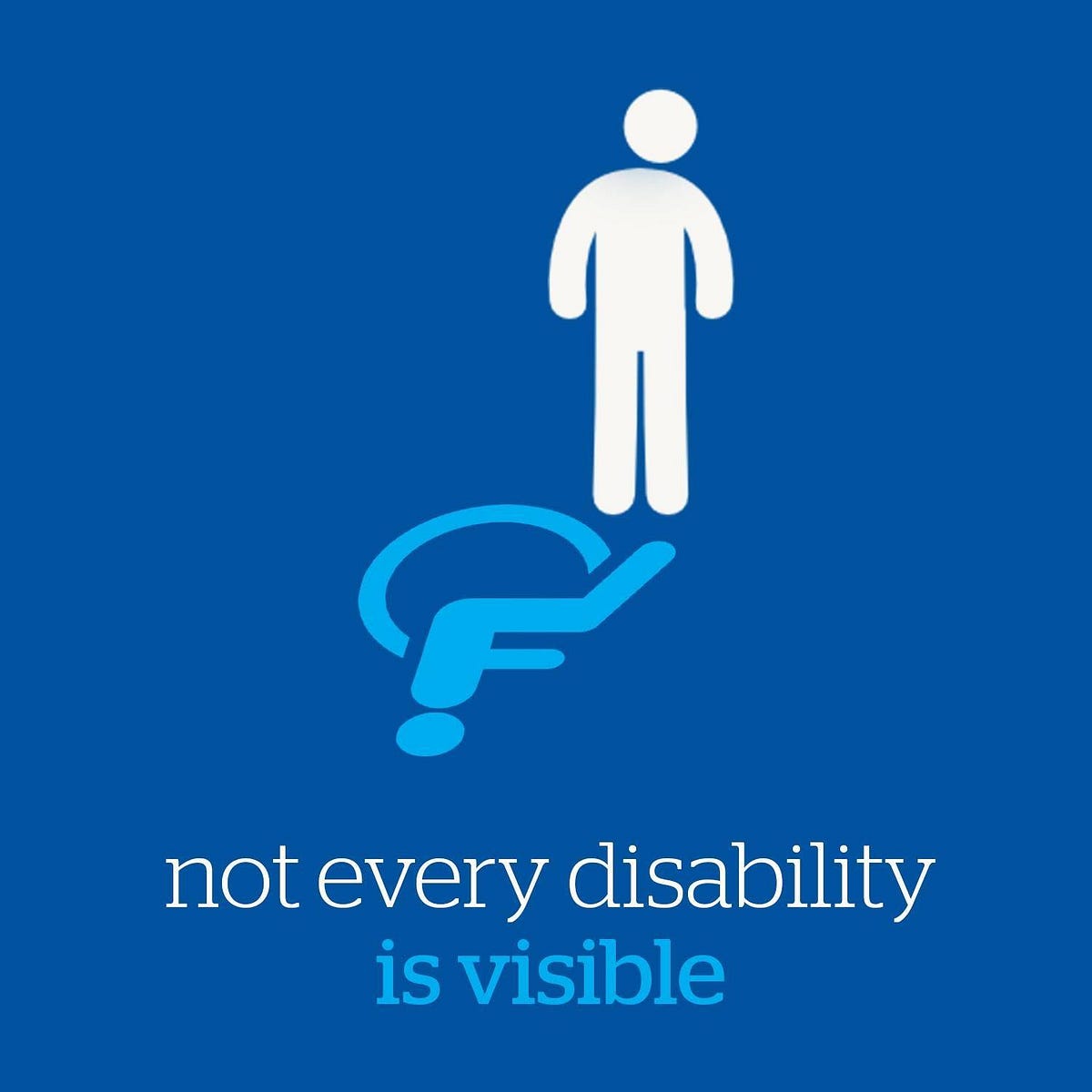

If you see someone at work using a wheelchair, wearing a hearing aid, or using an assistive device, you usually recognise that the person has a disability. But not all disabilities are visible. These are known as invisible disabilities. An invisible disability is a physical, mental, or neurological condition that cannot be seen from the outside, yet it can affect a person’s movements, senses, or daily activities. Conditions such as autism spectrum disorder, depression, diabetes, ADHD, and dyslexia fall into this category, along with symptoms like chronic pain, fatigue, and dizziness.
Invisible disabilities in the workplace are often overlooked because there are no obvious signs. A person may appear fine while dealing with real challenges that affect how they work. They may struggle with concentration, energy levels, processing information, or managing symptoms throughout the day. Because these difficulties are not visible, they are often misunderstood or dismissed.
This creates pressure on employees to explain their condition or keep it hidden. Many choose not to disclose due to fear of judgement or being treated differently. Without disclosure, they often do not receive the support they need. This leads to a cycle where lack of support affects performance, and performance is then misinterpreted as lack of effort.
The impact goes beyond productivity. Employees with invisible disabilities are often labelled unfairly, which affects confidence and growth. Over time, this can lead to stress and burnout. The issue is not ability, but the environment.
Awareness changes this. A significant portion of the workforce lives with some form of invisible disability, and most are fully capable of doing their jobs well when given the right conditions. Small adjustments can have a big impact. Flexible working hours, remote work options, clear communication, and quieter workspaces can reduce unnecessary strain and help employees stay consistent.
Workplaces need to shift how they think about disability. Not every challenge is visible, and not every employee will speak about it. When managers focus on outcomes and create space for support without pressure, employees are more likely to perform consistently. Invisible disabilities in the workplace become manageable when the environment is built on understanding and trust.