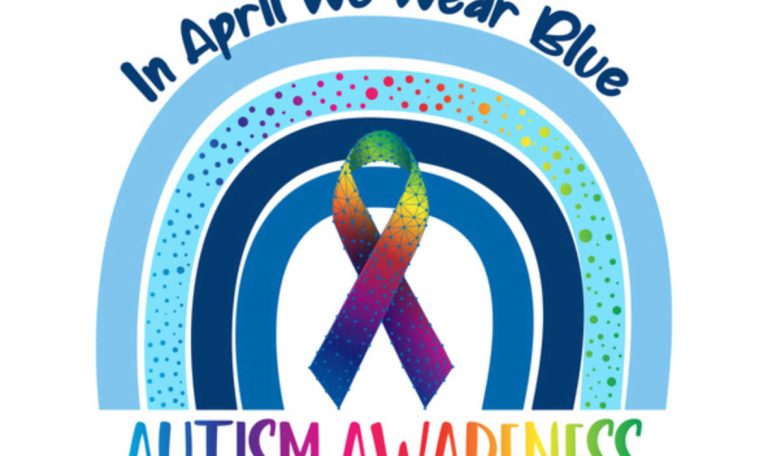

April is Autism Acceptance Month and focuses on building a deeper understanding of autism and what inclusion really means. Autism, or Autism Spectrum Disorder (ASD), is a developmental condition that affects how a person communicates, processes information, and experiences the world. It is called a spectrum because it presents differently in every individual.
Many people still rely on outdated stereotypes. The reality is more complex. Some autistic people may be non-speaking, while others communicate fluently. Some may need daily support, while others live independently and work successfully. There is no single way autism looks, which is why understanding matters.
A key aspect of autism is differences in communication and social interaction. This does not mean a lack of interest in people. It often means a different way of expressing and interpreting social cues. For example, an autistic person may avoid eye contact or prefer clear, direct communication. These differences are often misunderstood.
Sensory processing is another important factor. Many autistic individuals are sensitive to noise, light, touch, or crowded spaces. What feels normal to others can be overwhelming. This can lead to sensory overload, where the person becomes distressed and needs to step away or regulate themselves.
Autism Acceptance Month shifts the focus from trying to change individuals to creating more inclusive environments. Simple adjustments can make a real difference. Clear instructions, predictable routines, and quieter spaces can improve comfort and participation in schools, workplaces, and public settings.
Acceptance also means recognising strengths. Many autistic individuals have strong attention to detail, deep focus, and unique ways of solving problems. With the right support, these strengths can benefit teams and communities.
Understanding autism starts with listening. It means moving away from assumptions and learning from lived experiences. April is a reminder that acceptance is not passive. It requires action to build a society where autistic people are respected, supported, and included as they are.