
Intellectual disabilities affect how a person learns, communicates, and functions in daily life. The condition is often misunderstood and surrounded by inaccurate assumptions. Intellectual disability is a neurodevelopmental condition that begins in childhood and affects how a person learns, communicates, and functions in daily life. It starts before the age of 18 and continues into adulthood. March is recognised as Intellectual Disability Awareness Month, creating an opportunity to improve public understanding and encourage inclusion.
Intellectual disability involves significant limitations in both intellectual functioning and adaptive behaviour. Intellectual functioning refers to skills such as reasoning, problem-solving, planning, and learning. These skills influence how a person processes information and makes decisions. Adaptive behaviour refers to how well a person manages everyday life, including communication, social interaction, and personal care. A diagnosis requires clear limitations in both areas.
The condition is diagnosed through standardised testing and clinical evaluation. Some individuals need minimal support, while others require lifelong assistance. Causes differ from person to person and may include genetic conditions such as Down syndrome, complications during pregnancy or birth such as foetal alcohol spectrum disorders or infections, and early childhood health issues like brain injuries or severe infections.
Intellectual disability is also described in terms of support needs. Individuals with mild intellectual disability often develop practical life skills and can live independently with some support. Those with moderate intellectual disability usually show more noticeable delays and need regular support with communication, work, and daily activities. Severe intellectual disability involves limited communication and a high level of support for everyday functioning. In profound intellectual disability, individuals have significant cognitive and physical limitations and require constant care and supervision.
There are also specific conditions linked to intellectual disability, including Down syndrome, Fragile X syndrome, foetal alcohol spectrum disorders, and Rett syndrome. Each presents differently, but all affect cognitive development and adaptive functioning.
Intellectual disability is not a mental illness and is not caused by poor parenting or lack of discipline. It is different from specific learning disorders such as dyslexia, which affect certain academic skills but do not impact overall cognitive functioning. Intellectual disability is lifelong, although the level of support a person needs may change over time.
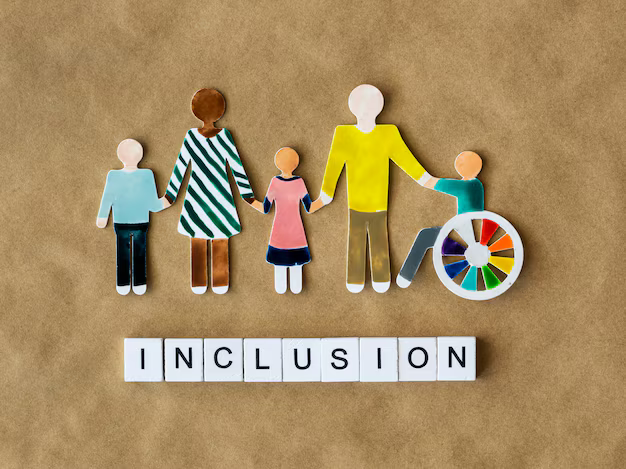
With early intervention, appropriate education, structured environments, and community inclusion, individuals with intellectual disabilities can develop skills and build relationships. Understanding the condition requires moving beyond stigma and recognising both the challenges and the strengths of those affected.