
A practical workplace initiative is forcing companies to take a harder look at how inclusive their environments really are. The Western Cape Association of and for Persons with Disabilities (WCAPD) is driving this shift through its “Walk in My Wheels” programme, which moves inclusion from policy into lived experience.
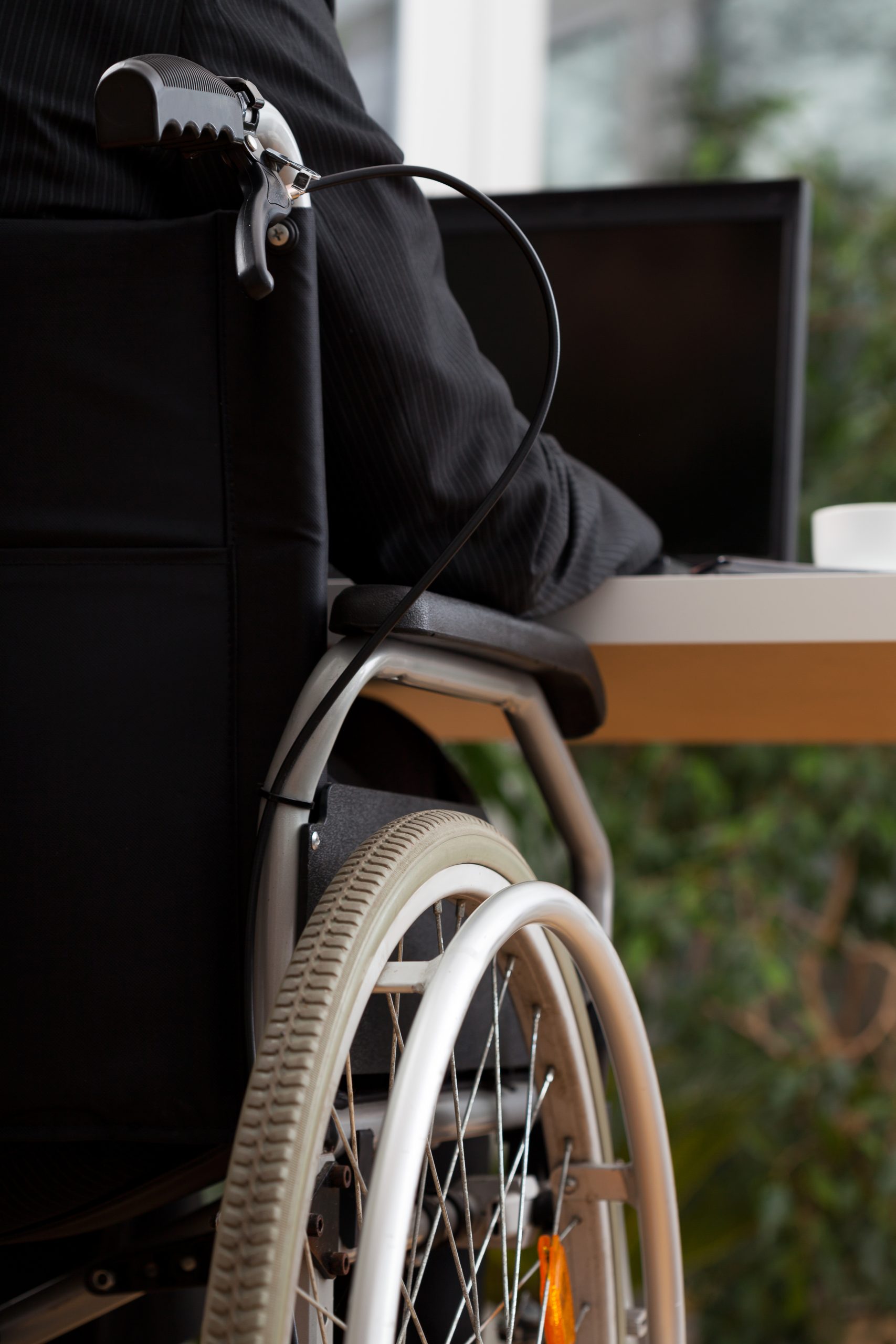
The initiative challenges employees to spend part of their workday using a wheelchair while completing their usual tasks. The aim is not to imitate disability, but to expose the everyday barriers that often go unnoticed in office environments. What seems functional at first quickly shows its flaws. Tight layouts, inaccessible facilities, and poor design become clear when experienced from a different perspective.
This hands-on approach changes how people think about accessibility. It highlights gaps that standard audits and compliance checks often miss. More importantly, it creates space for honest conversations about whether workplaces are truly designed for a diverse workforce or simply meet minimum requirements on paper.
The programme comes at a time when disability inclusion in South Africa remains limited. Despite national targets, workforce participation for persons with disabilities is still low. Progress has been made in awareness, but many workplaces are not fully equipped to support meaningful inclusion.
WCAPD points to a key issue: many organisations overestimate how inclusive they are. Without practical testing, gaps in accessibility and support remain hidden. The initiative also pushes teams to reflect on workplace culture. Inclusion is not only about infrastructure. It is about how people interact, support each other, and respond to different needs.
By rolling out “Walk in My Wheels”, WCAPD is calling on businesses to move beyond intention and take action. Real inclusion requires more than policies. It starts with understanding the lived experience of others and using that insight to design workplaces that work for everyone.