
Article originally published by Inside Metros
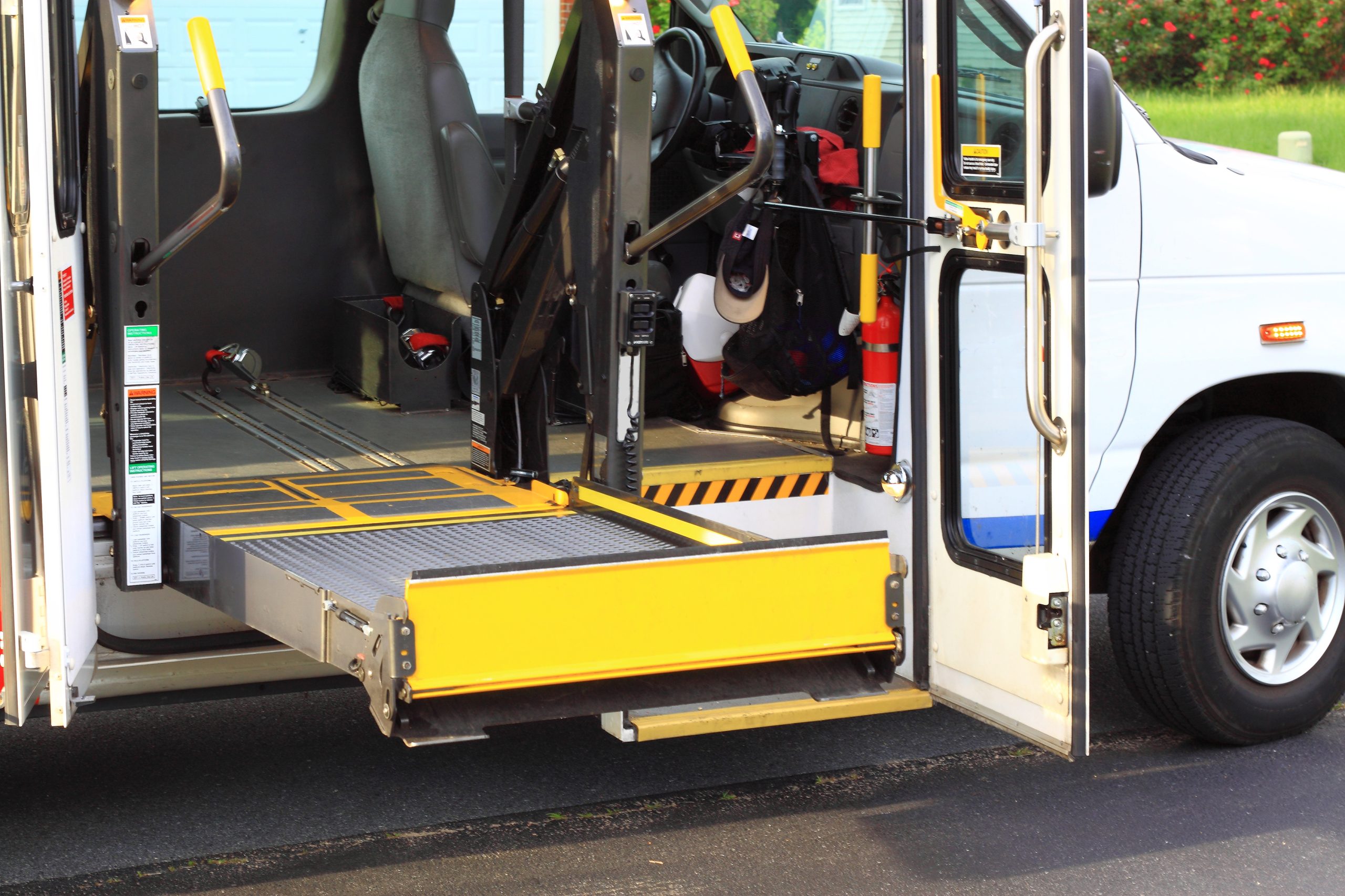
The eThekwini Municipality has proposed allocating over R2.1 million towards programmes that support people with disabilities in its 2026/27 draft budget. In addition, R13 million has been set aside to maintain the Dial-A-Ride transport service, which assists individuals with disabilities in getting around.
These allocations were shared during a recent consultation session with the disability sector at the Olive Convention Centre, where the city presented its proposed R74.7 billion budget along with key priorities from its Spatial Development Framework (SDF).
According to the municipality, the funding for disability programmes will go towards initiatives focused on empowerment, awareness, education, and promoting diversity. Meanwhile, the Dial-A-Ride budget will ensure continued access to reliable transport for people with disabilities.
Deputy Mayor Zandile Myeni acknowledged the ongoing challenges faced by the disability community and emphasised the importance of consultations like these in shaping meaningful solutions, particularly when it comes to employment. She stressed that people with disabilities should be actively included in economic opportunities, rather than being sidelined.
The city also highlighted that its development framework prioritises economic growth, environmental protection, reducing poverty and unemployment, and improving access to essential services such as jobs, transport, and social support.
As part of its broader plan, the draft Integrated Development Plan (IDP) outlines an eight-point strategy aligned with the budget, aimed at achieving the vision of making eThekwini “the most caring and liveable city by 2030.”
The municipality added that the budget focuses on improving service delivery, upgrading infrastructure, and reforming trading services. Myeni also encouraged members of the disability sector to continue sharing their lived experiences, as these insights are critical in identifying gaps and shaping better solutions.
While attendees appreciated the opportunity to engage, they also raised concerns around accessibility, housing, transport, service delivery, education linked to special schools, and employment requirements.