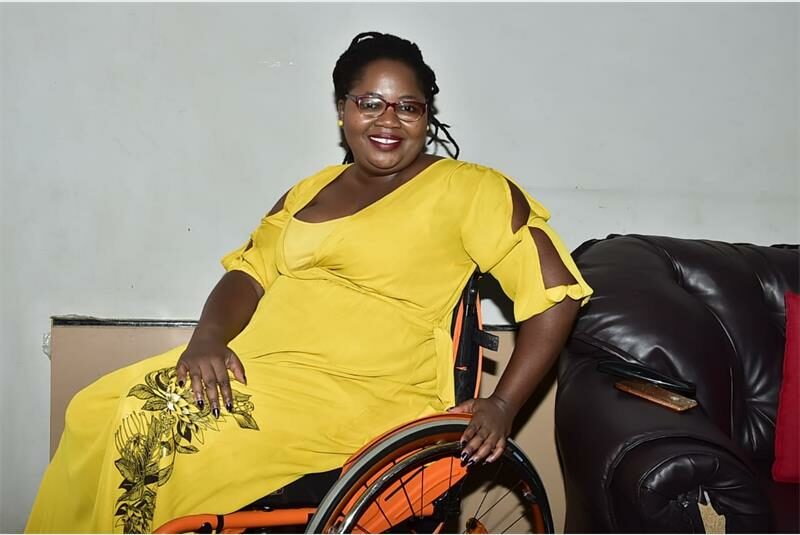

Kate Malope’s life changed 14 years ago after a devastating car accident left her paralysed. In an instant, she lost her mobility, career, fiancé, and home. The adjustment to life in a wheelchair brought intense physical and emotional challenges, including relearning basic daily tasks and coping with anxiety and post-traumatic stress disorder. Despite this, Malope refused to be defined by her circumstances.
With the support of her family and rehabilitation team, she began rebuilding her life. What started as recovery became a deeper journey of rediscovering her strength, voice, and purpose. Along the way, she recognised that many others living with paralysis faced similar struggles, including isolation, loss of independence, and limited access to support.
Determined to make a difference, Malope created an online support group for people living with paralysis. The platform became a space for connection, healing, and empowerment, marking the beginning of her work as a disability rights advocate.
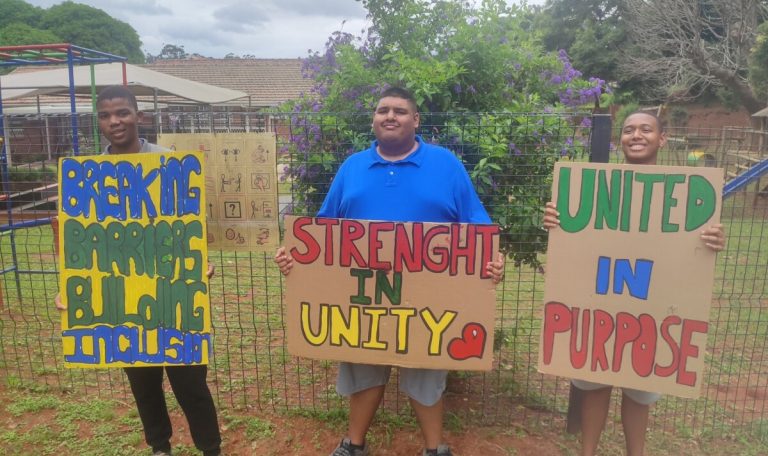
Her vision expanded further through the co-founding of Bring Change In Me (BCIM), a non-profit organisation led by women living with paralysis. As co-founder and project manager, she plays a key role in driving its mission to break down barriers, challenge perceptions, and create opportunities for people with disabilities. BCIM focuses strongly on supporting women and girls, promoting inclusion, equality, and empowerment through advocacy and targeted programmes.
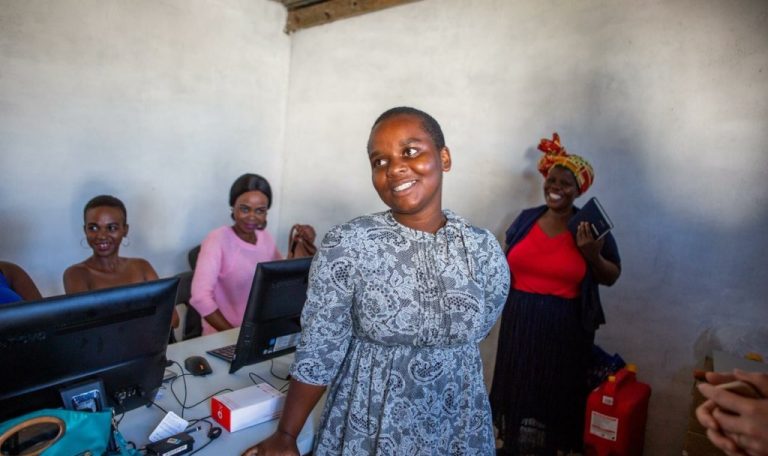
Beyond BCIM, Malope serves as centre manager at the Kopano Disabled Movement, where she leads initiatives focused on skills development, mentorship, and community building. Her work creates spaces where people with disabilities can regain dignity and independence.
Her advocacy also extends nationally. As a speaker and educator, she travels across South Africa, challenging how society views disability and pushing for inclusion to be recognised as a fundamental human right.
Malope’s story reflects a shift from personal loss to collective impact. Through her work, she continues to highlight the importance of accessibility, equality, and inclusion, while encouraging others to find strength in their own experiences and claim their place in society.