Admin

Autism in the Workplace: Removing Barriers and Unlocking Potential

Autism in the workplace remains widely misunderstood, yet many of the challenges autistic employees face have less to do with ability and more to do with environment. Research shows that individuals on the autism spectrum often have strong skills in specific areas, but struggle with workplace expectations built around social interaction and fast-paced communication. One […]

Autism in the Workplace: Removing Barriers and Unlocking Potential Read More »

Why disability inclusion in the workplace needs to move beyond compliance

South Africa’s push toward disability inclusion in the workplace is gaining momentum, but the reality is that many organisations still fall short. Historically, disability representation in businesses has hovered around 1%, with little accountability to improve this. The introduction of a 3% employment target for persons with disabilities changes that. It shifts inclusion from a

Why disability inclusion in the workplace needs to move beyond compliance Read More »

Understanding autism during Autism Acceptance Month

April is Autism Acceptance Month and focuses on building a deeper understanding of autism and what inclusion really means. Autism, or Autism Spectrum Disorder (ASD), is a developmental condition that affects how a person communicates, processes information, and experiences the world. It is called a spectrum because it presents differently in every individual. Many people

Understanding autism during Autism Acceptance Month Read More »

Invisible Disabilities in the Workplace: The Challenges You Can’t See

If you see someone at work using a wheelchair, wearing a hearing aid, or using an assistive device, you usually recognise that the person has a disability. But not all disabilities are visible. These are known as invisible disabilities. An invisible disability is a physical, mental, or neurological condition that cannot be seen from the

Invisible Disabilities in the Workplace: The Challenges You Can’t See Read More »

ACSA Opens Aviation Internships for Graduates with Disabilities

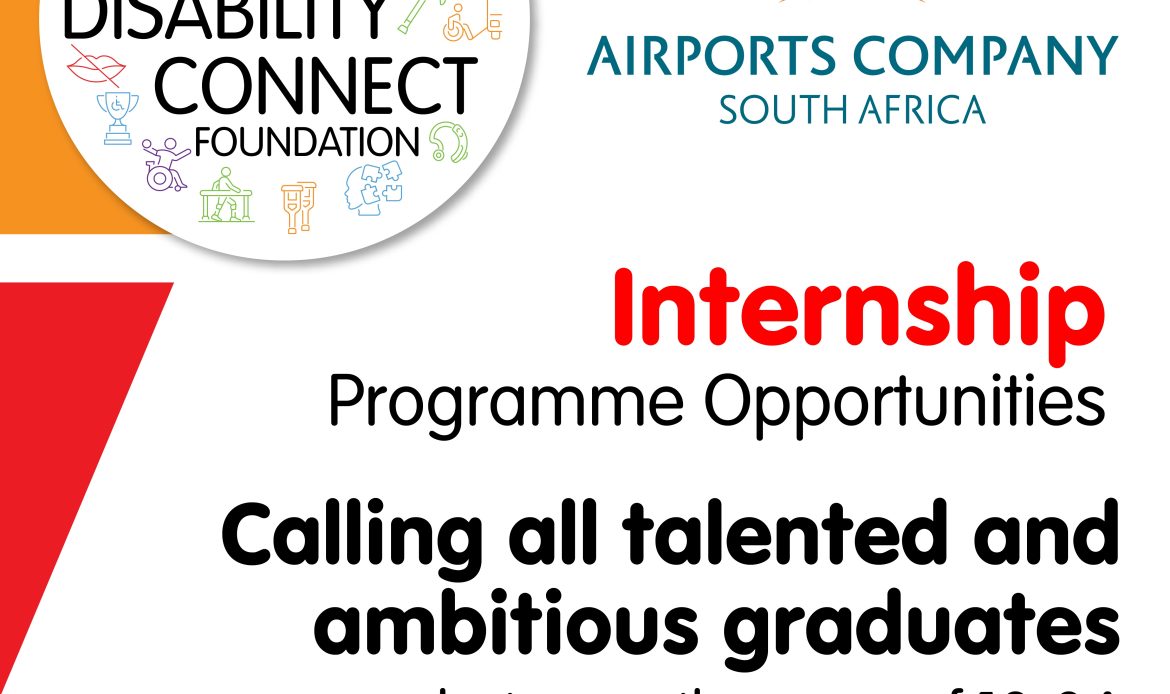
For many young South Africans living with disabilities, the biggest barrier to employment is not talent — it is access to opportunity. Airports Company South Africa (ACSA) is now opening that door. ACSA is inviting graduates aged 18–34 to apply for an 18-month internship programme designed to help young professionals gain real workplace experience inside

ACSA Opens Aviation Internships for Graduates with Disabilities Read More »

Building Pathways to Work for People With Intellectual Disabilities in South Africa

Access to employment plays a crucial role in promoting independence, dignity, and social inclusion for people with intellectual disabilities in South Africa. While national unemployment rates remain concerningly high, structured support programmes and inclusive employers are creating pathways into the workforce that recognise individual strengths and workplace support. The Department of Employment and Labour promotes

Building Pathways to Work for People With Intellectual Disabilities in South Africa Read More »

The Hidden Mental Health Struggle Facing People with Intellectual Disabilities

Mental health challenges affect millions of people worldwide, but research shows that people with intellectual disabilities experience anxiety and depression at much higher rates than the general population. Intellectual disability involves limitations in intellectual functioning and adaptive skills such as communication, social interaction and independent living. While many individuals with intellectual disabilities lead fulfilling lives,

The Hidden Mental Health Struggle Facing People with Intellectual Disabilities Read More »

Understanding Intellectual Disabilities This March

Intellectual disabilities affect how a person learns, communicates, and functions in daily life. The condition is often misunderstood and surrounded by inaccurate assumptions. Intellectual disability is a neurodevelopmental condition that begins in childhood and affects how a person learns, communicates, and functions in daily life. It starts before the age of 18 and continues into

Understanding Intellectual Disabilities This March Read More »

New Technology Creating Opportunities for People with Intellectual Disabilities

Technology is playing an increasingly important role in improving the lives of people with intellectual disabilities. Advances in digital tools, artificial intelligence, and assistive technology are creating new opportunities for communication, education, and independence. These innovations aim to remove barriers that people with intellectual disabilities face and provide practical support to help them live more

New Technology Creating Opportunities for People with Intellectual Disabilities Read More »

Hidden Talent in the Workplace: Supporting Employees with Intellectual Disabilities

In today’s workforce, diversity and inclusion are a key component to building a more representative and equitable society. Among the groups striving for greater representation in employment are people with intellectual disabilities. While historically overlooked, this community possesses valuable skills, talents, and perspectives that, when supported and empowered, can enrich workplaces and contribute meaningfully to

Hidden Talent in the Workplace: Supporting Employees with Intellectual Disabilities Read More »